Cervical Screening Test
“I have recurring BV, so I always let my doubles partner know if I’ve had it recently. That way, we can switch up our booking to be safer.”
source
“I have recurring BV, so I always let my doubles partner know if I’ve had it recently. That way, we can switch up our booking to be safer.”
source
“My brothel offers spa services, which triggered my recurring BV. Now I make sure I sit on the edge of the bath and only dip my legs in!”
source
Question
answer
Q
a

This is a caption.
If you have a cervix and you’ve ever been sexually active, you’re at risk of cervical cancer, no matter your gender identity, your sexuality, or what kind of sex you have. The good news is that cervical cancer is one of the most preventable cancers there is, and regular screening is what makes that possible. Cervical cancer is caused by the Human Papillomavirus (HPV), a very common virus most sexually active people will come into contact with at some point. Having HPV doesn’t mean you’ll get cancer but it does mean screening matters.
What is the Cervical Screening Test?
Since December 2017, the old pap smear has been replaced by the Cervical Screening Test (CST). The CST checks for HPV rather than looking for cell changes first, which makes it far more effective at catching risk early. Since it was introduced, screening intervals have moved from every two years to every five years, the starting age has moved from 18 to 25, and there’s now an “exit test” for people aged 70–74 to formally close out the screening program.
If your last screen was a pap smear, get your first CST two years after that test, then every five years after that if results are normal.
If you’re having symptoms like unusual bleeding, discharge, or pain, don’t wait for your next scheduled screen. See your doctor or local sexual health clinic. Also, having the HPV vaccine doesn’t mean you don’t have to screen. The vaccine protects against several cancer-causing strains, not all of them, so routine CSTs still matter even if you’re vaccinated.
What does the CST involve?
The CST involves the same procedure as the pap smear/test – a small sample will be taken from your cervix to be tested in the laboratory for HPV infection. If you are at your GP or sexual health clinic you will usually need to take off your clothing below the waist and lie on your back, with your knees apart. You will be given a sheet to cover yourself, and you can ask for a sheet if you’re not given one.
The doctor or nurse will gently insert a speculum (a duck-bill-shaped device) into your vagina, to hold it open. They will then take a small sample from your cervix using a swab. It may feel uncomfortable but it shouldn’t hurt. If it hurts, tell your doctor or nurse straight away.
The best time to get a CST is during the middle of your menstrual cycle. This is a few days after your period has ended and a week before your next period starts. It is still possible to get a CST while on your period, but it may not be possible to get a satisfactory sample and you may be required to get another CST. For sex workers, this can just mean planning around your bookings and your cycle where you can.
Check out the Where to Test page for sex worker friendly sexual health centres. Many of the clinics listed are also LGBTIQ friendly. Be aware that some sexual health centres may not provide the CST so it’s a good idea to call in advance before attending the clinic.
You’re never obligated to disclose your occupation to a healthcare provider to get screened. If your privacy is breached or you feel you are being discriminated against by a healthcare professional, you may be able to make an official complaint to the service or the health ombudsmen in your state or territory. Refer to the Making Complaints about Health Care Services page or contact your local sex worker organisation for more information and support.
You can now do this yourself
This is the biggest change since the CST was introduced, and it’s one that matters a lot for sex workers: since July 2022, self-collection has been available to everyone eligible for cervical screening, not just people who are overdue or have never screened.
Self-collection means you take your own sample from the vagina using a swab, in a private space at the clinic, rather than a clinician using a speculum to take a sample from the cervix. Research shows self-collected samples are just as accurate as clinician-collected ones for detecting HPV.
Add a source of where this research comes from here
Self-collection still needs to be ordered by a doctor or nurse practitioner, so you’ll have a consultation first. But once it’s ordered, you can usually do the swab yourself in a private room, sometimes even at home depending on the service. If your self-collected sample detects HPV, you may need a follow-up speculum exam so a clinician can take a sample directly from the cervix. This additional step depends on the type of HPV found.
For anyone who finds speculum exams uncomfortable, triggering, or just something you’d rather avoid, ask your provider about self-collection. You’re allowed to ask for it. It’s not a fallback option for people who “can’t cope” with the standard test, it’s now a standard option for everyone.
-
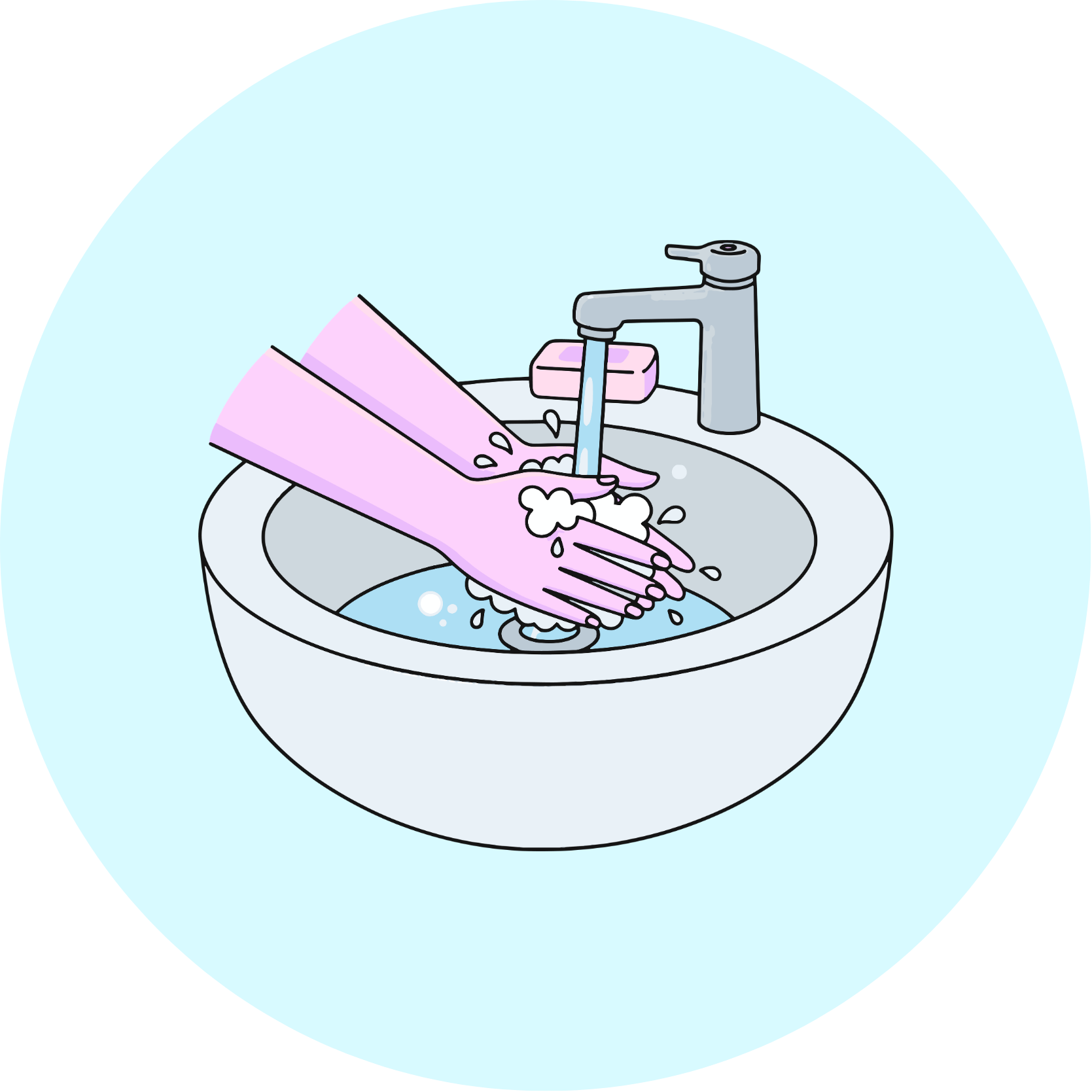
Prepare
Wash your hands thoroughly with soap and water and remove your underwear. Do not perform the test while you are on your period.
-
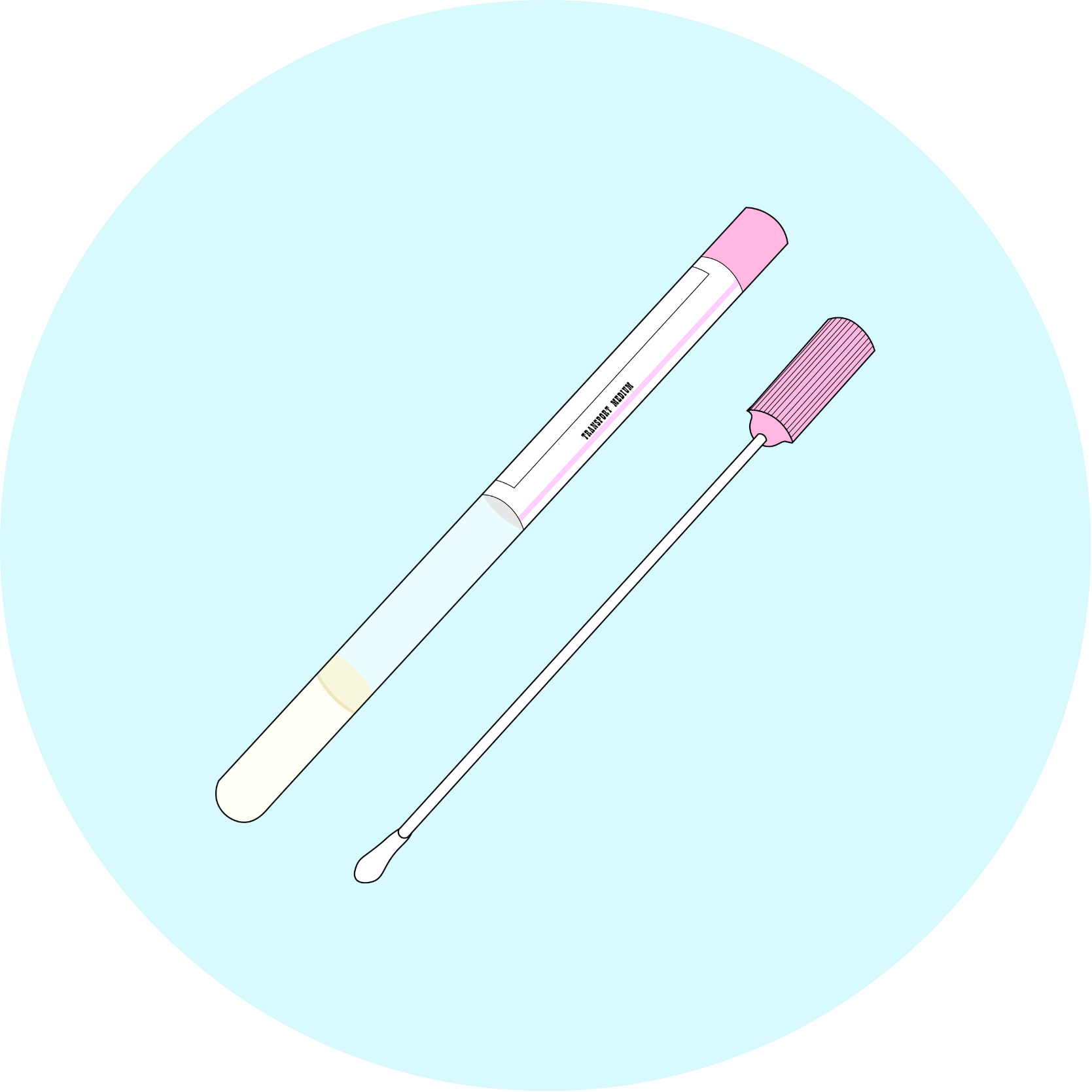
Unpack the swab
Twist the cap to open the swab packaging and pull it out. Hold it only by the cap or handle, and do not touch the soft tip or allow it to touch any surfaces.
-

Get comfortable
Stand or sit in a position that works for you, such as squatting or putting one foot on a raised surface (like the toilet seat).
-

Insert and rotate
Use your free hand to gently open the skin folds of your vagina. Insert the swab a few centimeters into your vagina until your fingers touch your body (or up to a marked red line on the swab stem). Gently rotate the swab in a circular motion for 20 to 30 seconds.
-
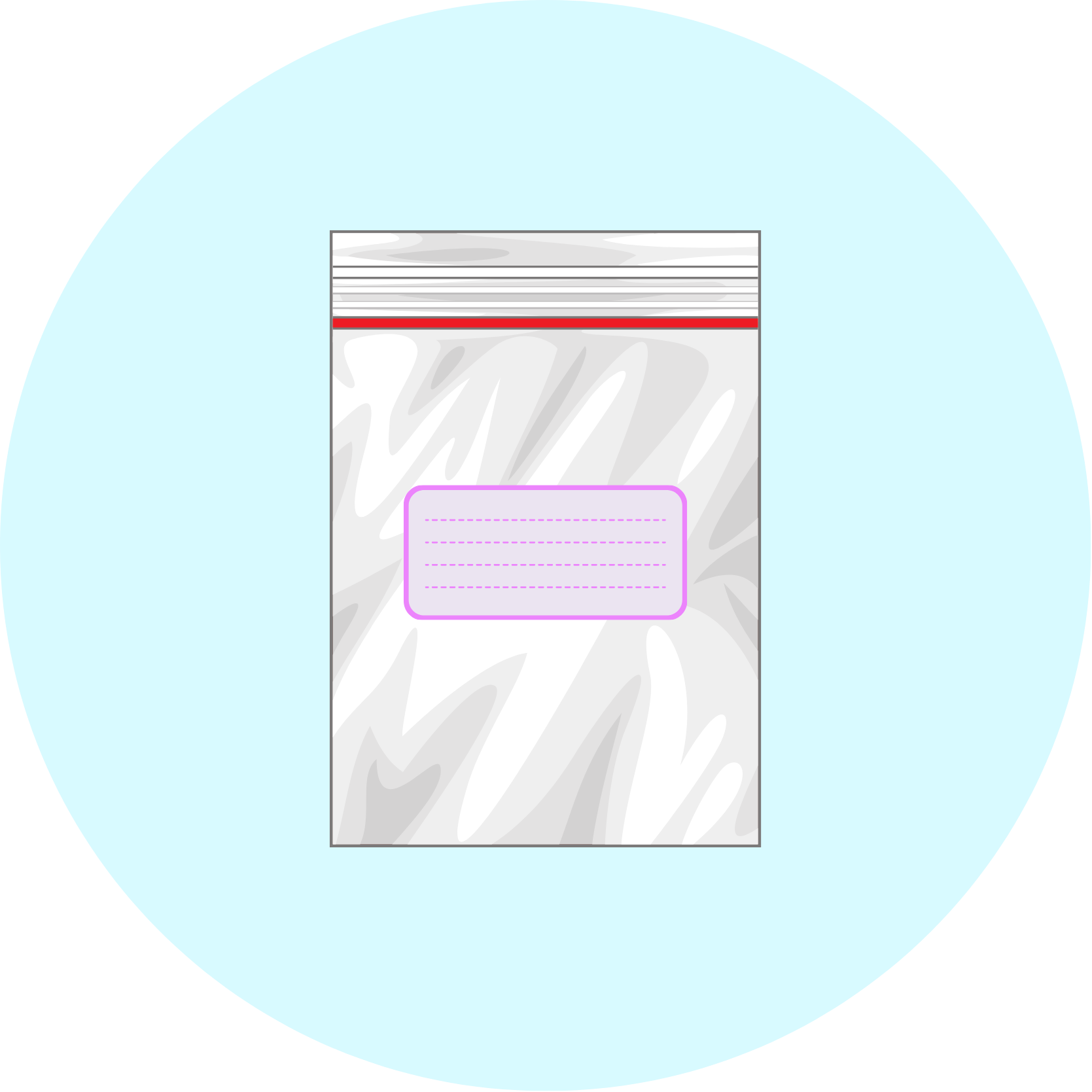
Seal and return
Carefully remove the swab without touching the sides and place it back into its plastic tube. Twist to seal securely. Ensure the tube is labeled with your full name, date of birth, and the collection date, then return it to your healthcare provider.
Finding a sex worker friendly clinic
Check the Where to Test page for sexual health centres known to be sex worker friendly. Many of these are also LGBTIQ friendly. Not every clinic offers the CST or self-collection, so it’s worth calling ahead to check before you go.
There’s no requirement for you to disclose your sex worker status when you go for a CST. If your privacy is breached, or you feel you’ve been discriminated against by a healthcare provider, you can make a formal complaint to the service or to the health ombudsman in your state or territory. See Making Complaints about Health Care Services for how to do this, or get in touch with your local sex worker organisation for support.
Understanding your results
An HPV-positive result is not a cancer diagnosis, and it doesn’t mean anything about how you have sex or how often. HPV is common, and most infections clear on their own without ever causing a problem. It typically takes 10–15 years for a HPV infection to develop into cancer, which gives plenty of time for monitoring and, if needed, treatment.
If HPV is found, the lab will also check for cell changes straight away, and you’ll be asked to test again in 12 months to see if your body has cleared the infection. If a specific high-risk HPV type is found, if the infection hasn’t cleared after 12 months, or if there are abnormal cell changes, you’ll be referred to a specialist for further investigation.
If your result comes back “unsatisfactory,” it means the lab couldn’t process the sample properly and that’s usually because it was too small or was taken during your period. You’ll need to repeat the test. This isn’t cause for concern, just a technical hiccup.
Whatever your results, following through on any recommended follow-up testing or treatment matters. Cell changes caught early are usually easy to treat. Left unchecked, they can progress to something more serious.
What is cervical dysplasia?
Dysplasia refers to abnormal, disorganised cell growth on the cervix’s surface. It’s most common in people in their 20s and is usually picked up through screening rather than symptoms. If dysplasia is found, you may be referred for a colposcopy, which is a closer examination of the cervix using a colposcope, similar in feel to a standard exam but with magnification involved. Depending on how significant the changes are, treatment might mean nothing more than a repeat test down the track, or it might mean a minor procedure to remove the affected cells.
-
This is a heading
This is a description