Molluscum Contagiosum
Molluscum contagiosum is a common, generally harmless skin infection that causes small, pearly lumps on the skin. While it is not an STI, it spreads through skin-to-skin contact, sexual or otherwise. It’s more common in children but can affect anyone, and can appear anywhere on the body, including the face, neck, arms, legs, abdomen and genitals, rarely showing up on the palms or soles. These lumps can turn up alone or in clusters, and while MC usually clears up on its own, treatment can shorten how long you have it and reduce the chance of passing it on.
Signs and symptoms
Symptoms usually show up somewhere between one week and six months after exposure, most commonly around two to three months. Most people heal without needing treatment, though a small number develop complications like impetigo (a secondary skin infection from scratching the lesions) or conjunctivitis (if lesions develop on the eyelid).
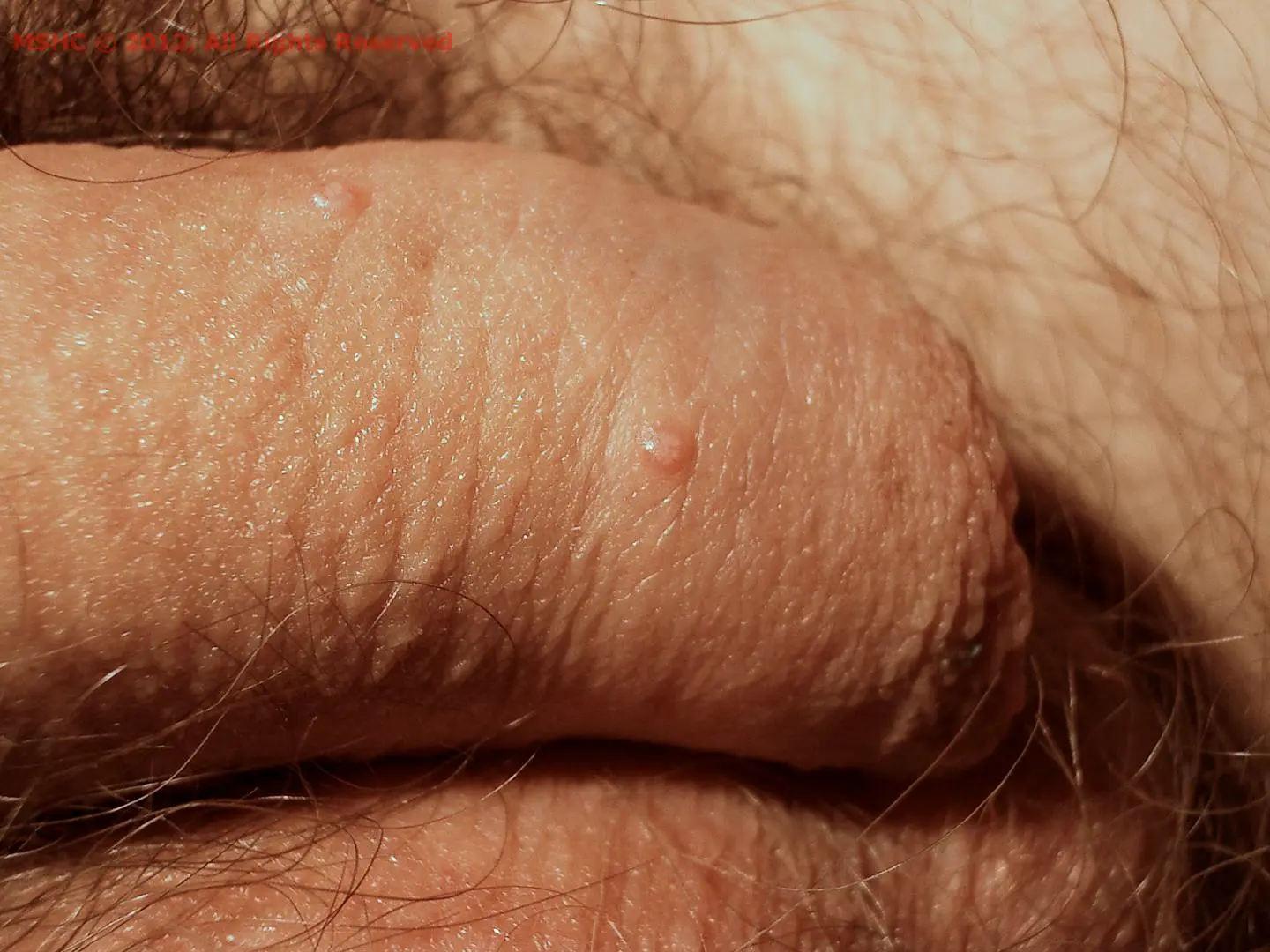
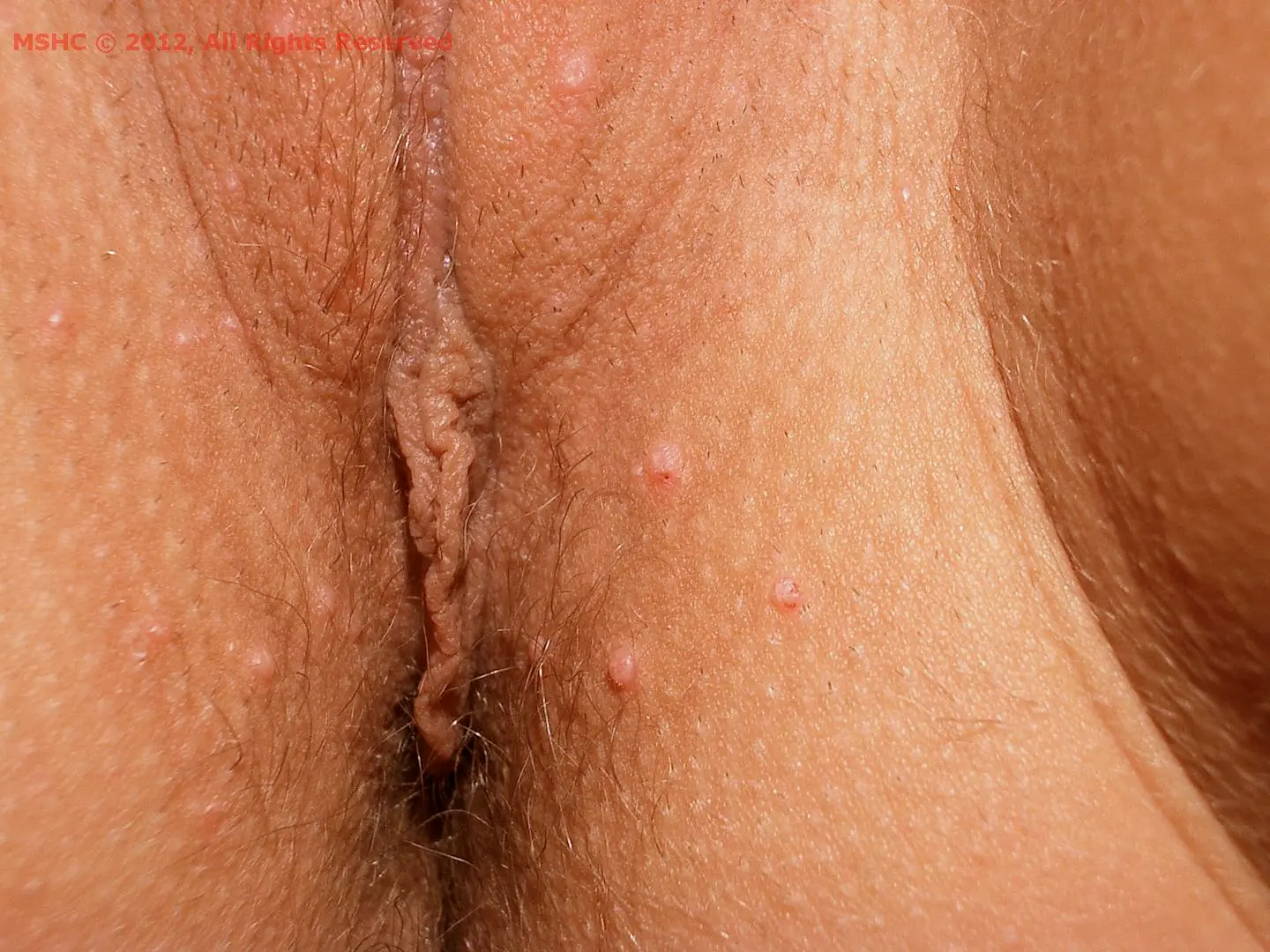
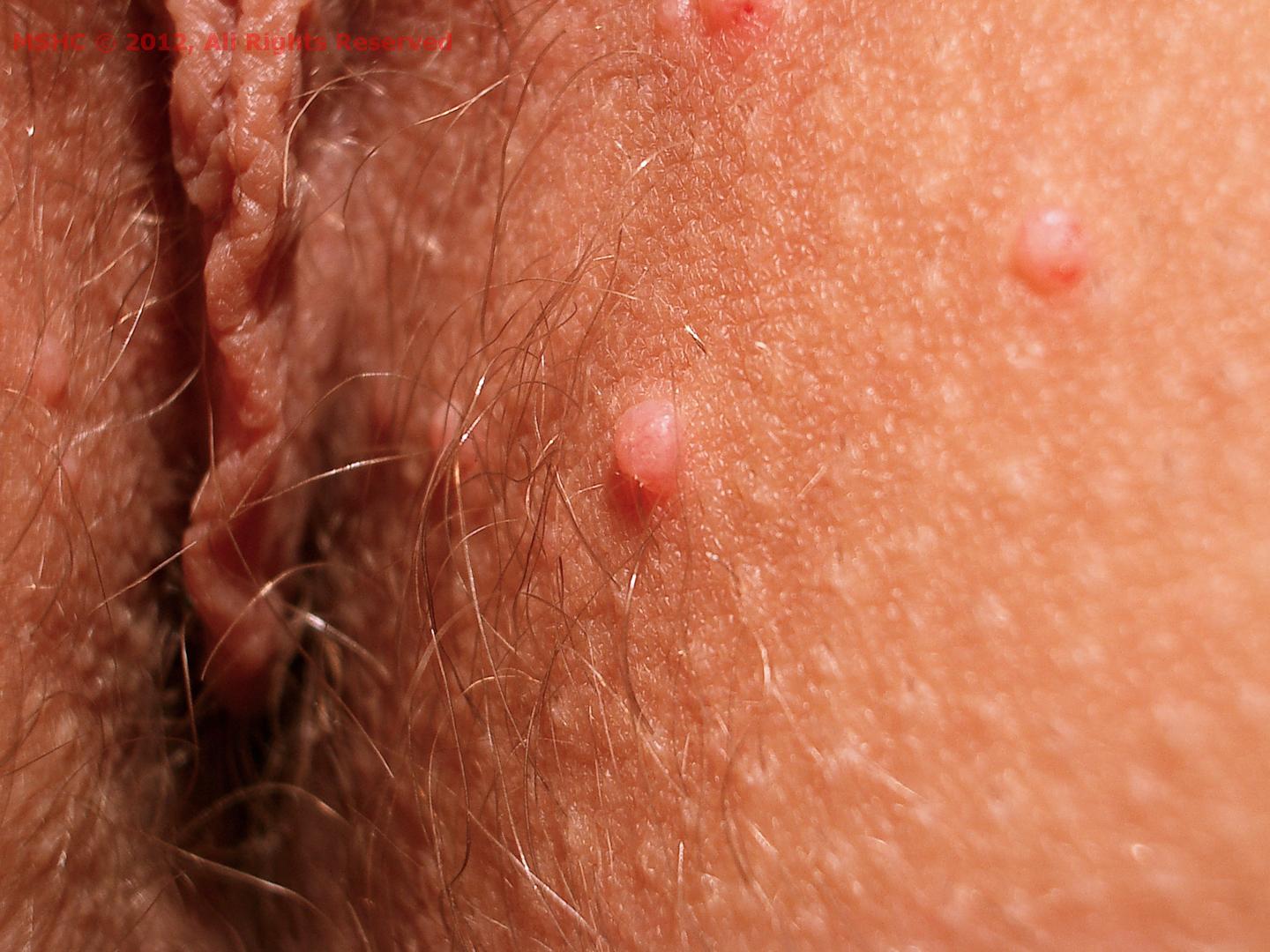
MC lesions are usually 1 to 5mm across and turn up on the thighs, genitals or abdomen. If a person is living with HIV, or another immunosuppressive condition the lesions may appear more widespread and unusual. MC lesions are usually:
- painless, though sometimes slightly itchy,
- look like waxy pimples, often with a dimple in the middle,
- can appear as a single lump or in groups; and
- may release cheesy, infectious material if squeezed.
MC can be mistaken for genital warts (HPV) or ordinary pimples associated with folliculitis. To narrow down or compare symptoms, read our resource on HPV and folliculitis.
What does MC look like?

How is MC transmitted?
MC spreads through skin-to-skin contact with an affected area, and stays infectious for as long as the lumps are present, which can be several months. Scratching can transfer it to other parts of the body, especially where skin is broken. Less commonly it can spread through shared bath or pool water, or objects like sex toys, towels, clothing or bedding that have come into contact with the virus.
Getting tested for MC
MC is diagnosed by a health practitioner based on how the lesions present. If you notice any unusual skin lesions, getting them checked for an accurate diagnosis means accessing the correct treatment. Your health practitioner may also suggest testing to rule out other STI at the same time, since MC can look similar to other conditions. You can view a list of sex worker-friendly sexual health clinics here.
What happens if I have MC?
Left alone, MC usually clears up by itself, though this can take up to two years, with symptoms coming and going in the meantime. People with suppressed immune systems may take longer to recover. Like many other infections, once cleared it is still possible to contract it again.
What treatment options are available?
Treatment for MC does not cure the underlying virus, but it can speed up how quickly the visible lumps disappear.
Physical treatment methods include using liquid nitrogen to freeze the lesions (cryotherapy), however it’s considered more of a cosmetic treatment than a cure, as the virus stays in your skin until your immune system clears it naturally. Other destructive physical treatment involves piercing each lesion and removing the pearly core, followed by antiseptic is less common due to pain and potential scarring.
Topical treatment methods include paints or creams such as Podophyllotoxin or Imiquimod as directed by a health practitioner.
If you are living with HIV, or another immunosuppressive condition you may need to see a specialist.
How much does treatment cost?
- The cost of treatment will depend on which type of treatment you choose.
- Cryotherapy is generally considered to be optional, and therefore an out-of-pocket expense. You will usually pay an initial consultation fee, and then each session can cost somewhere between $100 and $250, depending on the surface area. You may need multiple sessions depending on your situation.
- Medicated paints and creams can cost from $10 to $90 depending on the brand and formula.
- Government-funded sexual health clinics are usually 100% free and confidential for everyone, including tourists and international students, regardless of Medicare status.
- If you see a GP, you may pay a fee or be bulk billed.
- Medicare card holders can access some newer online testing services for free such as SISTR, Stigma Health, Clinic365 and STI Doctor.
- If you are not covered under Medicare, you can access online testing services for a fee, which could be useful if you live in a rural area.
Will having MC impact my ability to work?
MC can pass between you and a client through skin-to-skin contact, so if you notice lesions on yourself or a client, using barriers or offering alternative services can reduce transmission risk while things clear up. Given the lumps can take a long time to resolve on their own, getting treatment can be a more practical option if you want to continue working. If you are diagnosed, notify any recent doubles partners, as they may want to check themselves or require treatment too. A sexual partner without any visible lumps does not require treatment.
How can I prevent transmission of MC?
MC spreads through skin-to-skin contact, which is often very much part of our work. However, there are ways to reduce the risk of transmission.
Safer sex strategies
Using protective barriers such as condoms, gloves and dams during bookings lowers the risk of transmission. If a client has visible lesions, you are entitled to refuse the service or offer an alternative that avoids the affected area. Head to our ‘When Things go Wrong’ resource for guidance on managing this at work.