Balanitis, Posthitis & Balanoposthitis
Balanitis and posthitis occur more often in people with uncircumcised penises and will affect up to 10% of people with penises at least once in their lifetime. Most cases are easily treated with good hygiene, creams, or ointments.
-

Balanitis is inflammation of the skin on the head (glans) of the penis, and is caused by the growth of bacteria and/or fungus inside the foreskin.
-
Posthitis is inflammation of the foreskin.
-
Balanoposthitis is inflammation of both the skin on the head of the penis and the foreskin.
Understanding Balanitis, Posthitis & Balanoposthitis
These conditions are not necessarily contagious, but it’s important to know what’s causing the infection. Balanitis, posthitis & balanoposthitis can often be symptoms of other STI such as herpes, trichomoniasis, chlamydia, and gonorrhoea. Other times they’re caused by things like thrush, a reaction to soap or condoms, or simply not drying properly.
Finding the cause means adequate treatment and having time to prepare for any extra precautions you might need to take at work.
Signs and Symptoms
Signs and symptoms of balanitis, posthitis & balanoposthitis may include:
- redness
- itching
- swelling
- tenderness of the head of the penis and its surrounding foreskin.
What does Balanitis, Posthitis and Balanoposthitis look like?
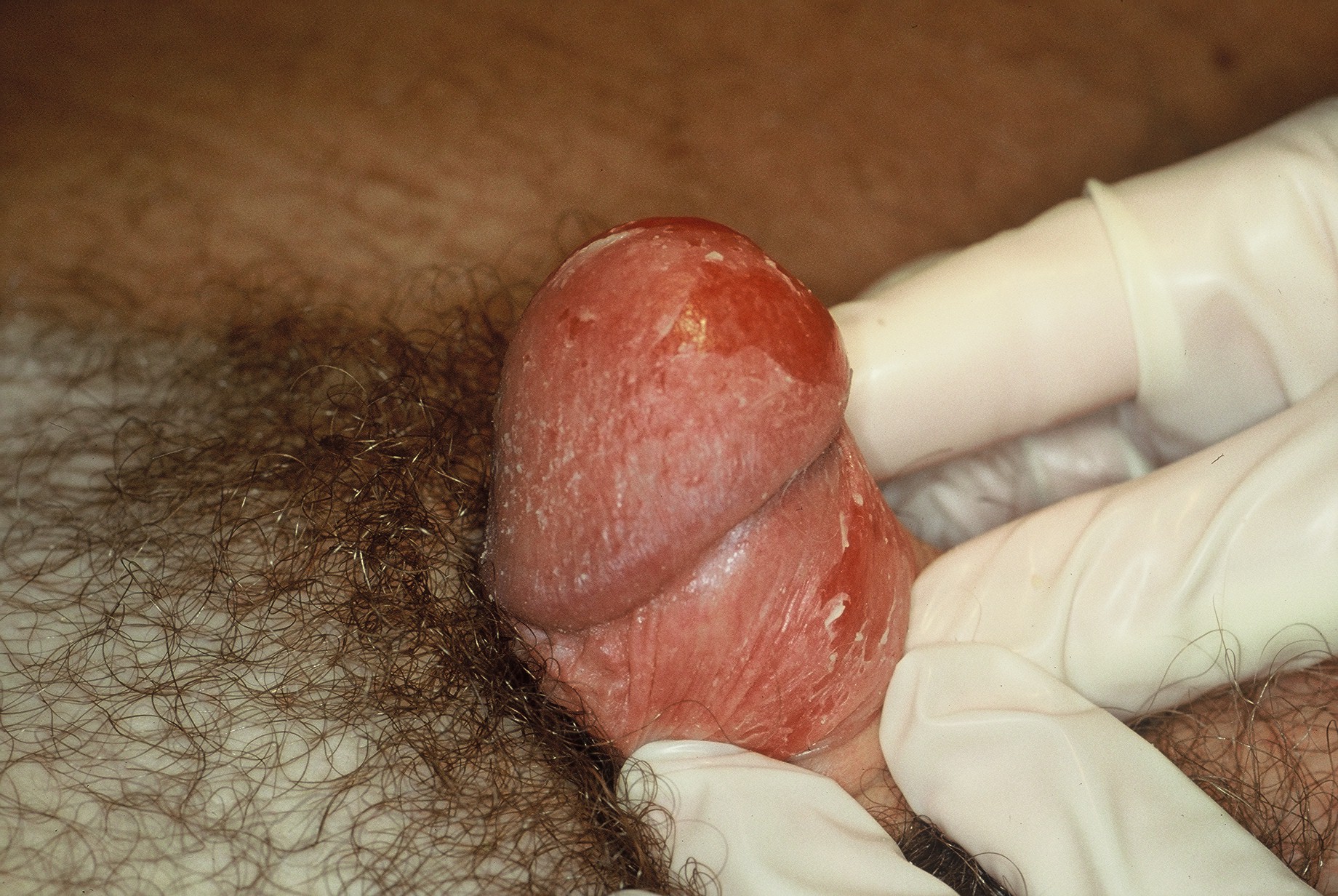
Gallery

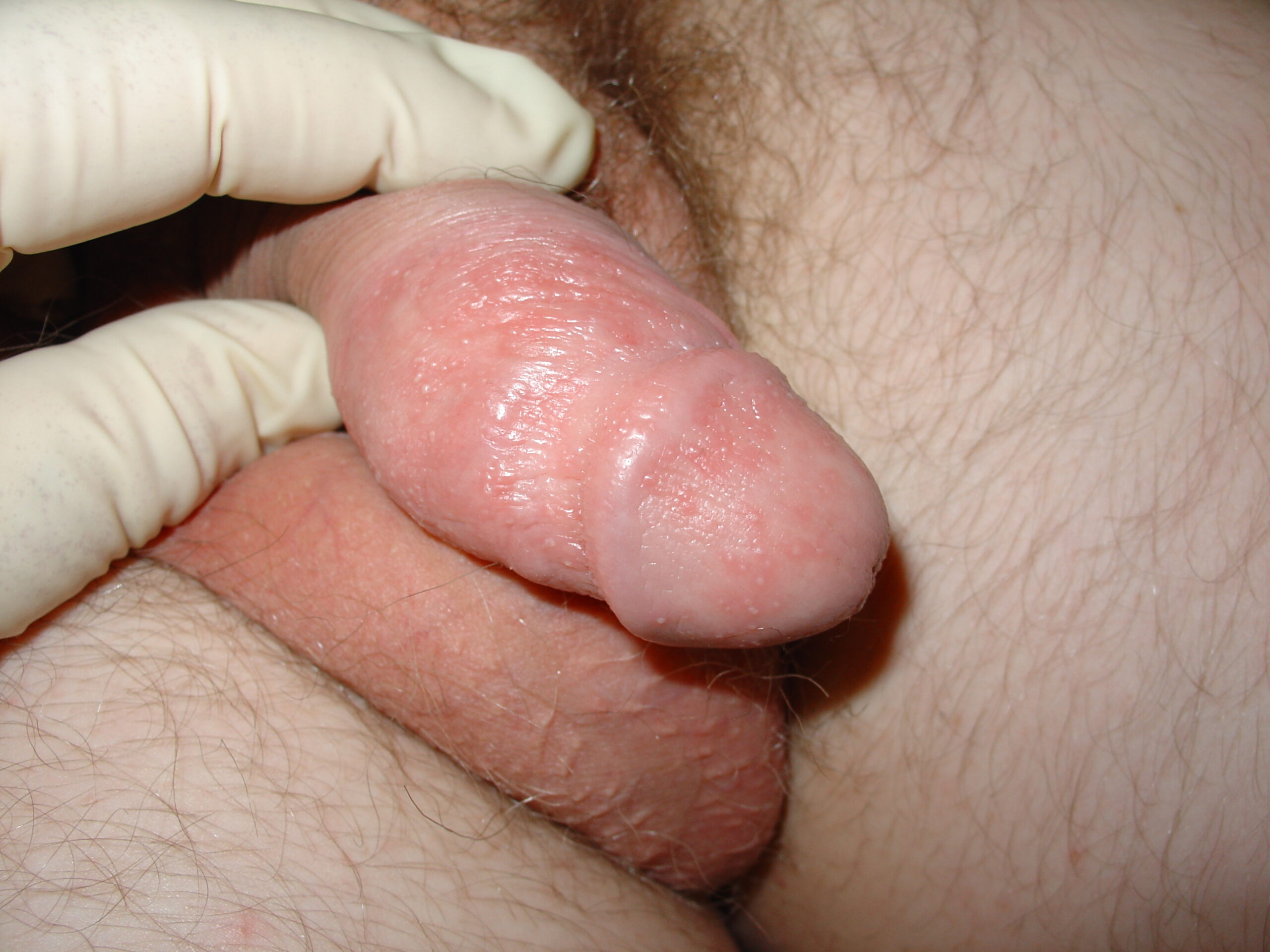
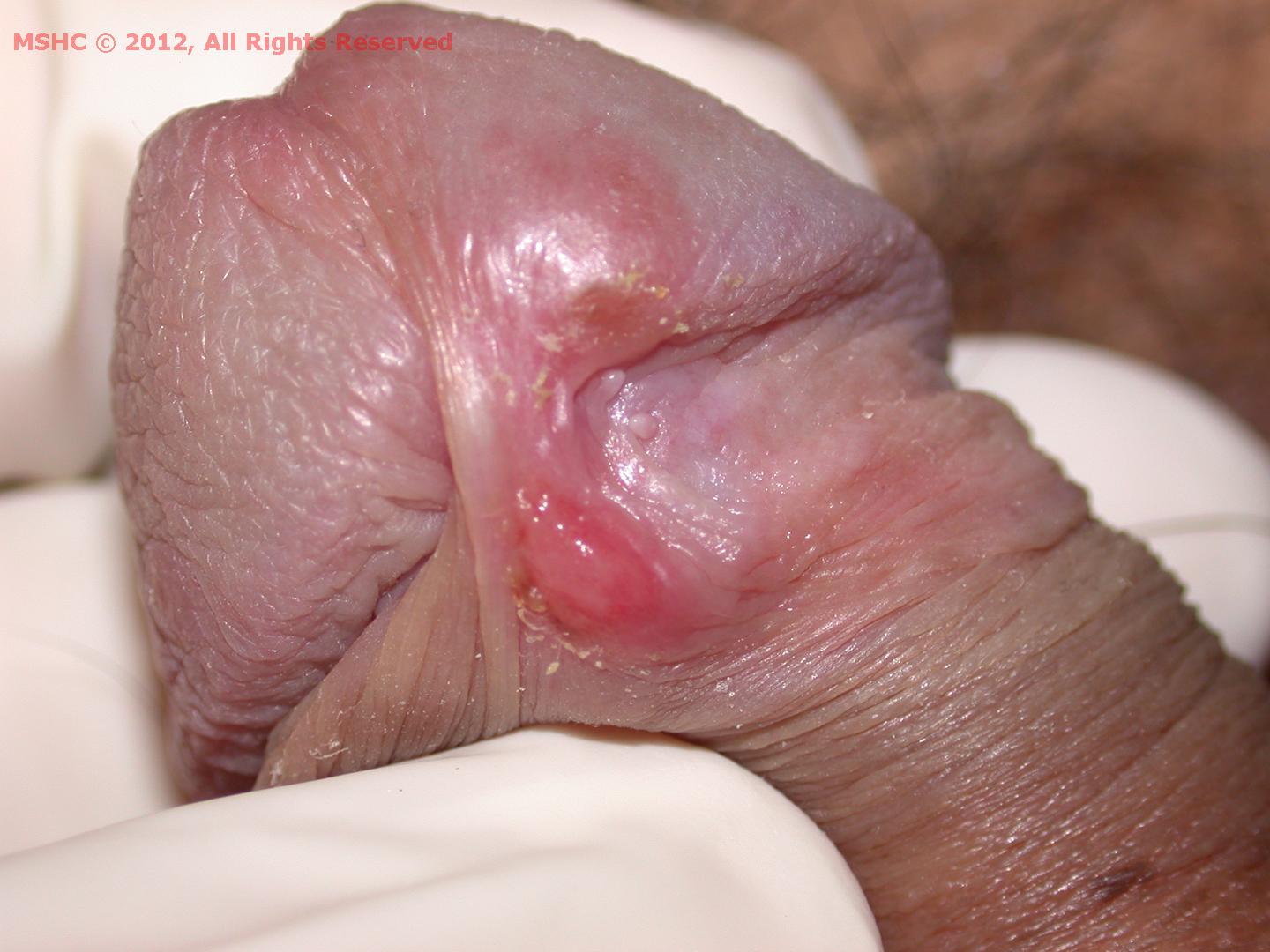

Common Causes
-
As detailed above, symptoms can be a result of an existing STI, a fungal or bacterial infection.
-
It is also important to consider other factors including allergies to latex condoms, other skin conditions such as psoriasis or dermatitis and chemical irritants such as harsh soaps or lotions.
-
Poor hygiene, not cleaning under the foreskin of the penis properly, and phimosis can occur alongside either balanitis or balanoposthitis and be a symptom, cause, or both.
Getting tested
Below is some information about testing for balanitis, posthitis and balanoposthitis. You can view a list of sex worker-friendly sexual health clinics on our Where to Test page.
What happens during the test?
- Balanitis, posthitis & balanoposthitis are descriptive terms for symptoms caused by the irritation.
- Your doctor will usually start by asking about your symptoms and examining your penis.
- They may take a swab from the head of the penis or the foreskin to check for infection.
- Depending on what they find, you might also need a blood test or, less commonly, a biopsy.
- If your symptoms are ongoing or don’t respond to treatment, your doctor may refer you to a dermatologist (a doctor who specialises in skin conditions).
For information about online sexual health testing, click here.
When should I get tested?
See a doctor if you notice redness, itching, swelling or tenderness that doesn’t improve with hygiene changes, or if symptoms keep coming back. Your doctor will want to rule out other causes, particularly an underlying STI to ensure you receive the correct treatment.
What happens if I have Balanitis, Posthitis or Balanoposthitis?
Treatment depends on what’s causing the inflammation, so your doctor will tailor their advice to your specific cause.
What treatment options are available?
Good hygiene is often the first step, alongside prescription antibiotic or antifungal creams and ointments if necessary. If an STI is behind your symptoms, you’ll be treated for that specific infection.
How much does treatment cost?
- Government-funded sexual health clinics are usually 100% free and confidential for everyone, including tourists and international students, regardless of Medicare status.
- If you see a GP, you may pay a fee or be bulk billed.
- Medicare card holders can access some newer online testing services for free such as SISTR, Stigma Health, Clinic365 and STI Doctor.
- If you are not covered under Medicare, you can access online testing services for a fee, which could be useful if you live in a rural area.
Will this impact my ability to work?
- If your inflammation is not caused by an infection, you may still choose to have sex during treatment, however it may be uncomfortable or cause irritation.
- If it is caused by an infection like an STI or thrush, there’s a risk of passing it on, so you’ll need to treat the underlying cause to protect yourself and your clients.
- Balanitis, posthitis and balanoposthitis can make sex painful, and in some cases the swelling and discomfort can make it harder to get or keep an erection until the inflammation clears.
There are a variety of ways to manage balanitis, posthitis & balanoposthitis, including the hygiene practices mentioned below.
Prevention
Wash the head of your penis every day: gently pull back the foreskin in the shower or bath, clean the glans with water or a mild soap, and make sure it’s completely dry before you get dressed.
Safer sex strategies
Using condoms and dams reduces your risk of the STIs that can trigger these conditions. If you think your symptoms are related to condom use, try a condom designed for sensitive skin.
Things to avoid
If you handle skin-irritant cleaning products at work, wash your hands before going to the toilet so you don’t transfer irritants to your genitals.